
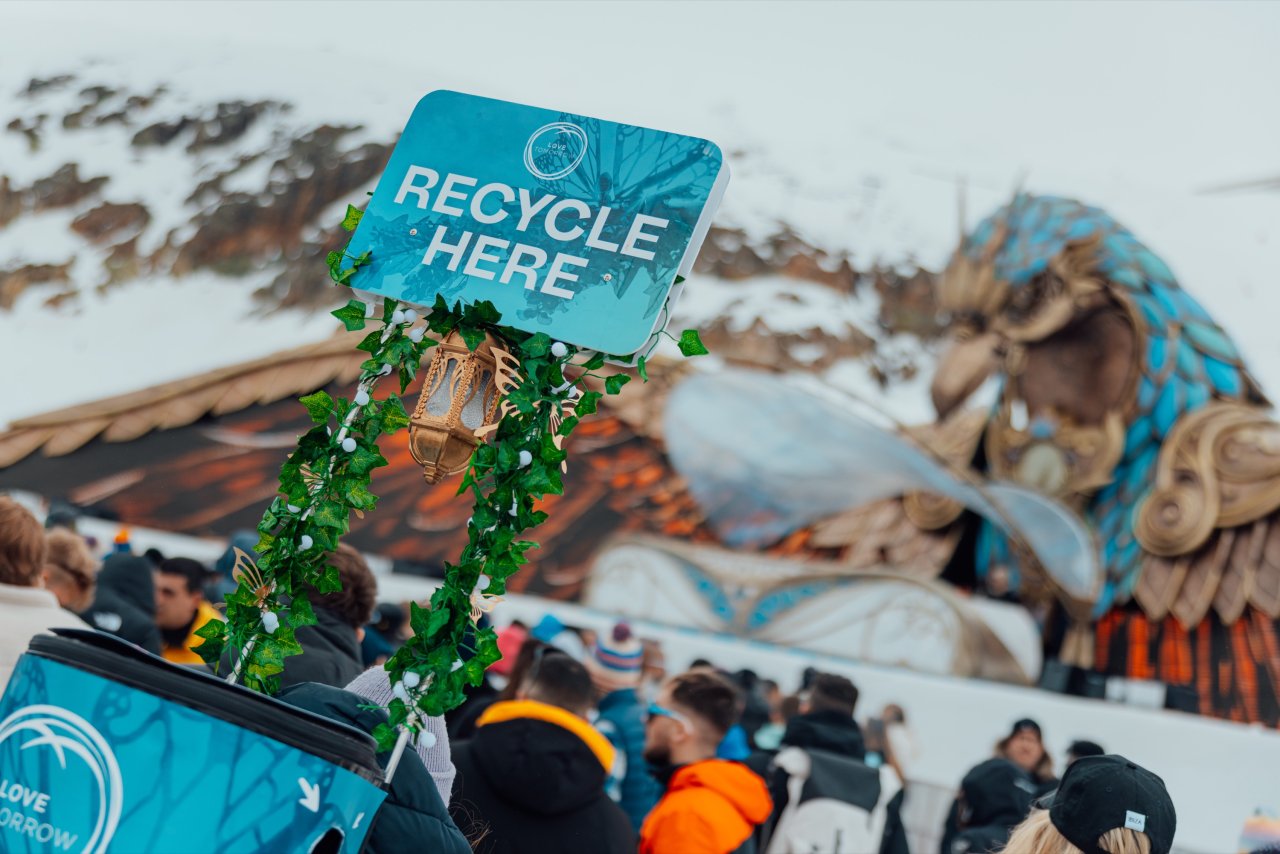
If you’re reading this, chances are large-scale EDM festivals and artist tours bring you as much joy as they do me. It’s easy to get caught up in the music and magic of these experiences, but we rarely stop to think about their impact on the planet.
The average three-day music festival generates around 500 tons of CO₂, not to mention mountains of waste. That’s why it’s crucial, as an industry and a community, that we continue building on sustainability in EDM to protect the spaces we love to dance in.
Festivals Leading the Charge
From Miami to Belgium, EDM festivals are stepping up to embrace the “Responsibility” in PLURR.
-
Ultra Music Festival has over 30 eco-initiatives in place, from banning Styrofoam to hosting beach cleanups, and was the first U.S. festival of its size to earn Oceanic Global’s Blue Standard.
-
EDC Las Vegas rewards fans who collect recyclables with merch and tickets through its TRASHed Recycling Store, and it converts cooking oil from vendors into biodiesel, cutting down smog emissions.
-
Tomorrowland has made major moves by powering stages with renewable fuel, slashing diesel generator use by 50%, and turning abandoned tents into colorful, upcycled camping gear.
-
Paradise City Festival in Belgium, dubbed the world’s most sustainable music festival in 2024, now powers an entire stage with solar energy and supplies two-thirds of the festival’s total power via battery storage. They also incentivize carpooling and use EVs for artist transport.

Artists Raising the Bar
Plenty of artists are also rethinking how they tour and use their platform.
-
BLOND:ISH launched the nonprofit Bye Bye Plastic and created an “Eco-Rider” contract to cut single-use plastics backstage. She’s even releasing her next vinyl on material made from recycled cooking oil.
-
Matoma ran the world’s first climate-neutral DJ tour — and followed it up with a climate-positive tour by offsetting more emissions than he produced through reforestation and carbon capture.
-
Groups like Clean Scene and A Greener Festival are helping DJs and promoters measure their impact, rethink routing, and bundle carbon offsets into booking fees — all meaningful steps toward strengthening sustainability in EDM.
What EDM Can Learn from Coldplay
Outside the genre, Coldplay’s “Music of the Spheres” Tour has raised the bar for green touring. They reduced emissions by 59% with renewable energy, using kinetic dance floors powered by fans and stationary bikes attendees could ride to help power the show. They also planted one tree for every ticket sold.
Billie Eilish went climate positive on her 2018 tour, banning single-use plastics, and hosting Eco Villages at every show where fans could engage with climate causes and learn how to take action. EDM festivals could absolutely build on these ideas, after all, the tech and tools already exist to push sustainability in EDM forward.

How EDM Can Get Greener
Here are six clear ways festivals and artists can push sustainability further:
-
Power smarter: Use solar, battery, or renewable fuels — and make it fun with energy-generating dance floors or pedal stations.
-
Offset emissions: Partner with credible orgs to offset tours and aim to go climate-neutral (or positive).
-
Rethink travel: Offer shuttle passes, incentivize carpooling, and design tour routes that cut down on flights.
-
Ditch plastic: Ban single-use items, add refill stations, and reward fans for recycling.
-
Make merch sustainable: Use organic/recycled materials and eco-friendly inks and packaging.
-
Engage attendees: Host green activations on site, people love learning when it’s hands-on and high vibe.
Sustainability might not be the first thing that comes to mind at a festival, but it should be a bigger part of the culture. The good news? Some of the most exciting events in EDM are already making it happen.
There’s still work to do, but if we can innovate on stage design and lighting, we can innovate for the planet, too.
Follow Stage Hoppers
Instagram | Facebook | Twitter | TikTok | Spotify | Home