
A recent discussion on r/EDM asked: was the rave scene better 20 years ago? While the answer depends on who you ask, it’s worth looking at what’s changed, and the trade-offs that came with it. Every generation eventually looks back and says “those were the days.” But in raving, that nostalgia carries extra weight, because the culture has shifted so dramatically in such a short time.
The Case for the Old Days
When ravers talk about the early 2000s (and the ‘90s before that), three themes always surface: community, anti-commercialism, and music discovery.
As one Reddit user put it, “Back then, I feel like it was more community-driven and about losing yourself in the music with the people around you.” Because the scene was smaller, there was a stronger sense of intimacy.
Money also played a different role. Many early raves were free or donation-based, organized out of love for the music rather than profit. Another Redditor remembered, “We would pool gas money, find a warehouse, and party until sunrise. Nobody was talking about ticket tiers or VIP.”
Music discovery felt wide open, too. With no algorithms shaping taste or playlists dictating trends, DJs often took risks and introduced people to sounds they’d never heard before. It was less about building a brand and more about sharing an experience.

The Case for Today
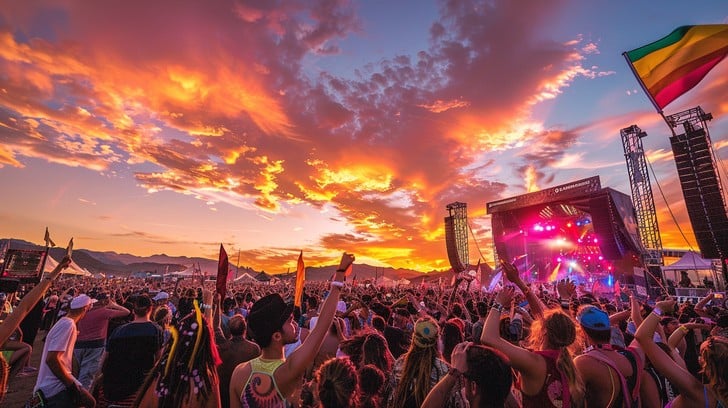
Fast forward to today, and the rave scene is defined by scale, production, and global reach. In 2013, EDC Las Vegas drew more than 300,000 people across three days, marking a turning point for just how massive festivals could be.
With that growth came incredible innovation. Massive LED walls, fireworks, lasers, pyrotechnics, and even fully time-coded shows have pushed production to cinematic levels. One Reddit commenter said it best: “The production now is insane. Twenty years ago, we couldn’t even imagine the visuals we get today.”
Professional promoters and larger venues also brought more organization, but at a price. General admission tickets now often exceed $400, with VIP packages climbing into the thousands. A user on the thread pointed out, “Back in the day, you could hit multiple shows a month. Now you pick one or two festivals a year because of the cost.” Accessibility isn’t what it once was, but the spectacle is unmatched.

The Trade-Offs
Comparing then and now highlights three clear trade-offs: intimacy vs. scale, authenticity vs. commercialization, and local vs. global.
Twenty years ago, raves were hyper-local, often run by small groups and spread by word of mouth. Today, festivals draw crowds from across the world, artists tour on global circuits, and livestreams bring sets into living rooms. What we lost in intimacy, we gained in worldwide connection.
Authenticity has shifted, too. The underground ethos of anti-commercialism gave way to big profits and sponsorships. But authenticity hasn’t disappeared, it just lives in smaller corners of the scene, whether that’s renegade sets, local collectives, or niche subgenres. As one Redditor said, “If you want that old vibe, you have to look for it — it’s still out there.”
A Medium writer captured the shift with humor: “The biggest difference between raves now and then is that we didn’t have old ravers telling us how much better raves were 30 years ago.” In other words, the debate itself is proof of how culture keeps evolving.

Nostalgia as a Cycle
Nostalgia is baked into rave culture. Older ravers remember the ‘90s and early 2000s as the golden era, while newer fans sometimes see today’s mega-festivals as losing the underground magic. But nostalgia always comes full circle.
In the ‘90s, people missed the raw warehouse days of the ‘80s. In the 2000s, people longed for the ‘90s. And one day, ravers will look back on 2025 as their golden era. We’re already seeing it: trance is making a comeback, Y2K aesthetics are everywhere, and jungle is back in rotation with a new generation. What feels “lost” often just takes on a different form.
As one Reddit comment put it, “Every era feels special when you’re in it. You just don’t realize it until it’s gone.” The challenge is recognizing the magic of now before it becomes tomorrow’s nostalgia.

So, was the rave scene better 20 years ago? The truth is, it depends on what you value. If you crave intimacy and underground energy, the past will always seem better. If you thrive on global connection and massive production, today’s scene is unmatched.
What matters most is that the heart of the community is still here. The values of connection, kindness, and freedom haven’t disappeared — they just need to be carried forward. Maybe the real question isn’t whether raving was better back then, but how today’s ravers will choose to remember this moment when they look back years from now.
Follow Stage Hoppers
Instagram | Facebook | X | TikTok | Spotify | Home