
1970s: Disco Roots and Proto-House
In the late 1970s, the history of house music began to take shape in underground clubs in New York and Chicago. Spots like Paradise Garage (with Larry Levan) and The Loft nurtured a diverse dance culture rooted in disco, soul, and R&B. In Chicago, Frankie Knuckles began remixing disco records that had people dancing into the early morning. As disco’s mainstream appeal declined, culminating in the 1979 Disco Demolition backlash, Chicago DJs leaned into drum machines and synths to create a raw new sound. Named after The Warehouse, house music emerged as a rebellious, community-driven evolution of disco.
1980s: The Rise of Chicago House and Acid’s Arrival
The 1980s marked a pivotal era in the history of house music, as the sound solidified and spread. Pioneers like Jesse Saunders, Marshall Jefferson, Larry Heard, and Ron Hardy built tracks with pulsing 4/4 beats and soulful vocals. Labels like Trax Records helped press iconic records like “Move Your Body.” Then came acid house, pioneered by Phuture with their 1987 track “Acid Tracks,” which used the TB-303 bass synthesizer to create that squelchy sound. The UK caught on fast and by the late ’80s, clubs like The Hacienda in Manchester were ground zero for acid house raves. House music had officially gone global.

1990s: Worldwide Growth and Subgenre Boom
Throughout the 1990s, the history of house music continued to unfold across continents and dancefloors. In Europe, it hit the charts through acts like Technotronic and Haddaway, while the UK spun off styles like UK garage and tech house. Meanwhile, Chicago artists like Cajmere, Paul Johnson, and DJ Sneak kept the local scene strong. In New York, Masters At Work and Kerri Chandler added Latin and jazz elements, fueling the rise of deep house. And the French made their mark with filter-heavy hits from Daft Punk, Stardust, and Modjo. House was expanding in every direction.
2000s: Crossover and Electro Era
In the 2000s, house music crossed into the mainstream like never before. Tracks like Benny Benassi’s “Satisfaction” and Eric Prydz’s “Call On Me” brought electro house to clubs and radios worldwide. David Guetta and others blended house with pop, and even artists like Kylie Minogue tapped into the sound. Meanwhile, underground scenes thrived in places like Berlin, San Francisco, and L.A., with DJs like Âme, Mark Farina, and Felix da Housecat pushing the genre forward. As digital DJing rose and Beatport launched, house became more accessible than ever.

2010s: EDM Explosion and House Revival
The 2010s were a turning point for house music as it powered the global EDM boom. Festival anthems from Swedish House Mafia, Avicii, and Calvin Harris dominated, while deep house and tech house took over clubs. The UK’s Disclosure brought garage and deep house into the spotlight, and DJs like Jamie Jones, Chris Lake, and Fisher became household names. As the hype settled, house’s roots were re-embraced; The Blessed Madonna, Honey Dijon, and Black Coffee led a return to soulful, community-centered vibes.
2020s: Global Resurgence and Tribute to Origins
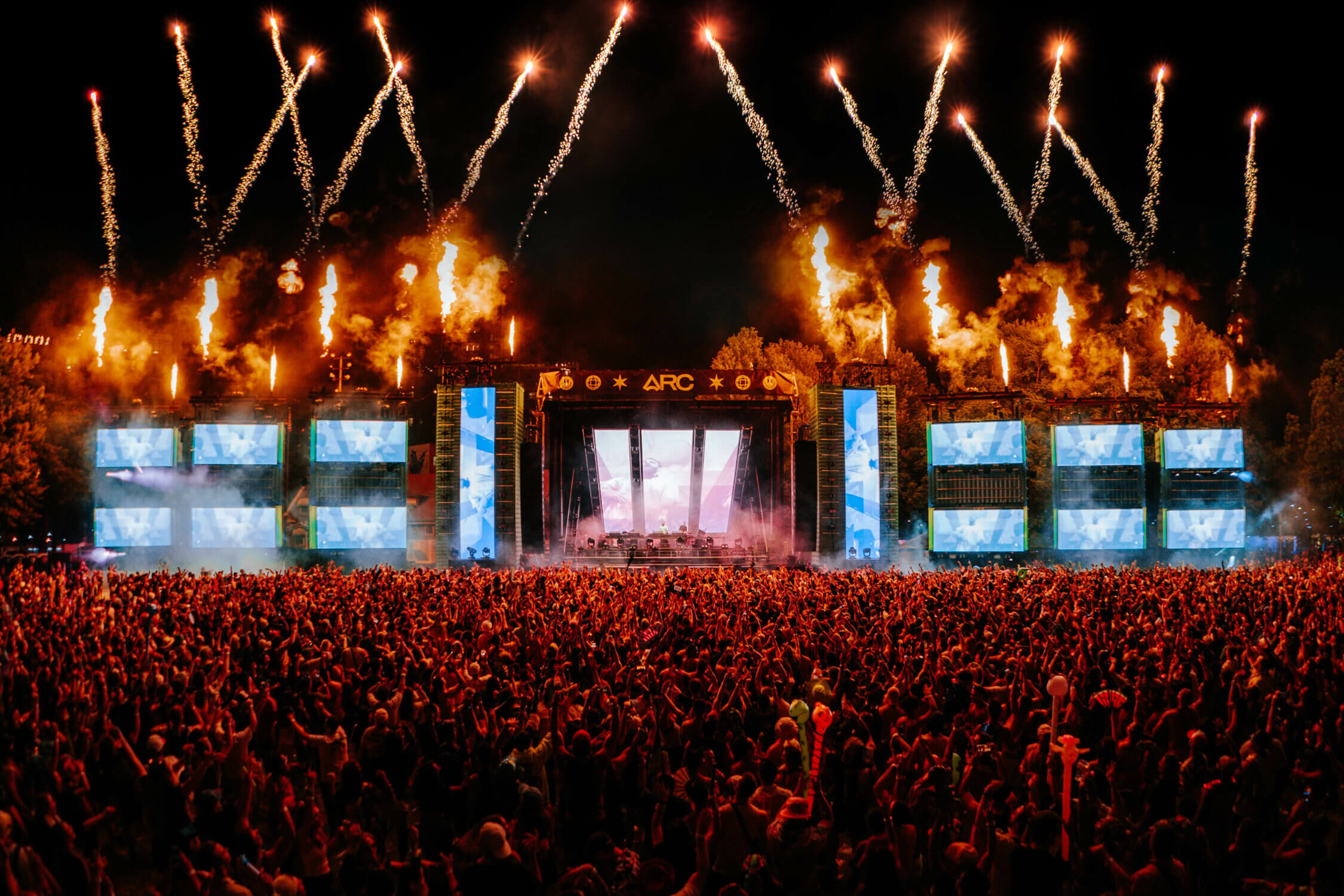
In the 2020s, a new wave of artists like Peggy Gou, John Summit, and Dom Dolla are pushing house music forward while staying true to its roots. Festivals like ARC in Chicago reclaimed house’s birthplace, and landmark status was granted to The Warehouse. Meanwhile, mainstream acts have embraced the genre too: Drake tapped Black Coffee for a house-inspired album, and Beyoncé’s Renaissance paid homage to house’s Black and queer origins. Decades later, the sound that once filled underground clubs is still evolving, connecting, and getting people to move.
Follow Stage Hoppers
Instagram | Facebook | Twitter | TikTok | Spotify | Home