
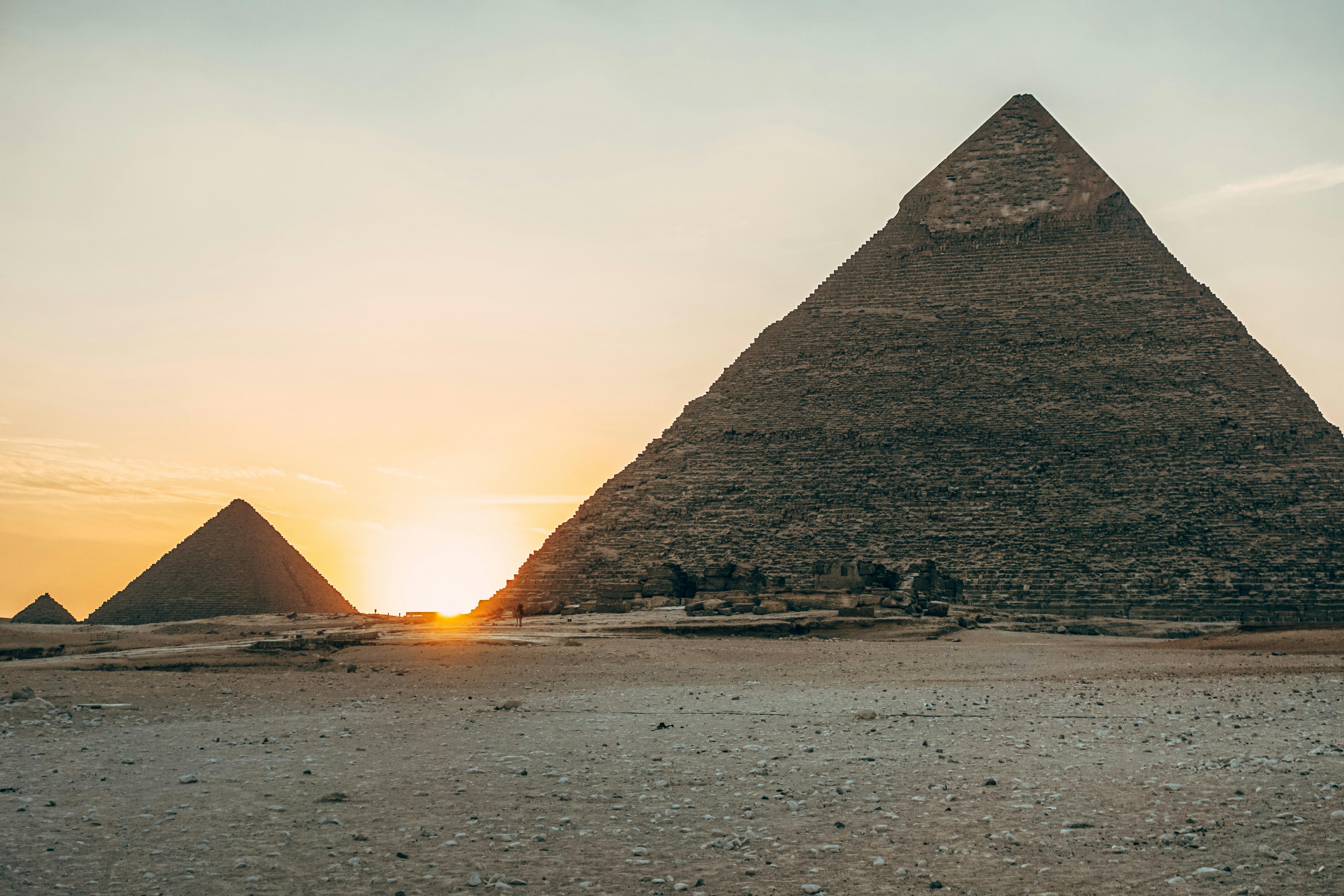
The Pyramids of Giza have hosted some of the world’s most high-profile electronic music performances in recent years, transforming one of humanity’s oldest landmarks into a stage for contemporary culture, but a new lawsuit filed in Egypt could bring that to a halt.
The Egyptian Center for Economic and Social Rights (ECESR) has taken legal action aimed at banning large-scale concerts at the pyramids, arguing that the events pose a risk to the structural integrity of the ancient site.
From Global DJs to Legal Disputes
Recent performances at the Giza Plateau include, a highly publicized show by Armin van Buuren in 2017, Carl Cox in 2023 and most recently, an audiovisual set by Anyma, attracting over 15,000 attendees. According to Billboard, This was the largest electronic production ever staged at the Pyramids and quite possibly in Egypt’s history.
These events have drawn international attention, not only from fans, but now also from conservationists and legal bodies. In a statement, ECESR claims that concerts involving high-decibel sound, vibrations, and laser lighting could accelerate physical deterioration of the monuments.
The full complaint can be read on ecesr.org, where the organization warns that such events threaten the long-term preservation of the site.

What’s at Stake?
The Pyramids of Giza, built during the Fourth Dynasty over 4,500 years ago, are constructed primarily from limestone and granite. These materials have endured centuries of erosion from sand, wind, and temperature changes.
While the pyramids have withstood extreme weather conditions, heritage experts argue that modern stressors, especially those introduced repeatedly over time, present a different kind of risk.
The key issue is accumulation. Bass-heavy audio systems can create low-frequency vibrations that travel through the ground, potentially affecting ancient stone foundations. High-powered lighting, particularly lasers and spotlights, can heat stone surfaces and accelerate micro-fractures or surface erosion.
Although the individual impact of a single concert might appear minimal, ECESR argues that heritage protection requires a long-term view. Once damage occurs, it’s often irreversible.
A Brief History of Events at Giza
Cultural events at the pyramids are not new. Light shows and classical performances have taken place on the plateau for decades, often as part of Egypt’s broader tourism strategy. However, the introduction of large-scale electronic music events featuring extensive stage setups, amplified sound, and digital visuals are a more recent development.
These shows have helped position Egypt as a destination for international music tourism, but they’ve also raised new questions about how to balance heritage protection with modern entertainment.

Implications for the Music Industry
If the lawsuit is successful, it could limit or entirely prohibit the use of the Giza Plateau for large-scale musical performances. That outcome would be significant, not only for Egypt’s cultural tourism sector, but for the broader music industry’s growing trend of hosting performances at UNESCO World Heritage Sites and other culturally significant landmarks.
The case also reopens a wider conversation about sustainability in live entertainment. How can promoters and artists engage with historical sites without compromising them? Are there acceptable thresholds for sound and light? And who decides?
What’s Next
This legal challenge could set a precedent for future events at heritage sites, not just in Egypt, but globally. For organizers, it may push the industry to reconsider technical standards, site selection, and long-term impact when planning destination events.
For now, Egypt’s courts will determine whether music and monuments can continue to coexist at Giza. While the suit remains ongoing, Tiësto’s headline show is still set to move forward in December.
Should large-scale music events at ancient sites be subject to stricter regulations? What measures are necessary to ensure cultural preservation? Let us know your thoughts.